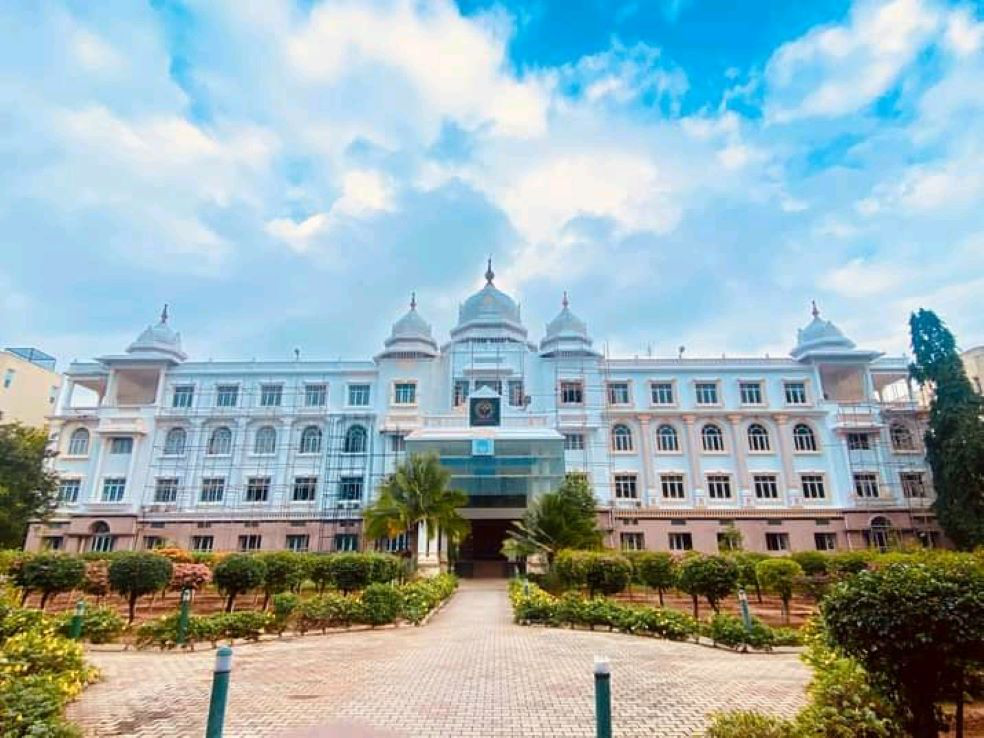
Karnataka is officially classified as an “Open State” for MBBS admissions. This means any student from any part of India can apply for MBBS seats in Karnataka’s private medical colleges. You do not need to be a Karnataka resident. You only need one thing: a valid, qualifying score in NEET-UG 2026 conducted by the National Testing Agency (NTA).
Every year, thousands of students from across India travel to Karnataka to pursue their dream of becoming doctors. The reason is straightforward: Karnataka has the largest pool of private MBBS seats that are openly available to non-local students in all of India. Students from all over India can apply for MBBS admission to private medical colleges in Karnataka through the Karnataka NEET Counselling conducted by the Karnataka Examinations Authority (KEA). These seats are also called ‘open seats’, and the state invites applications from meritorious students from all over India to participate in the counselling.
The Karnataka Examinations Authority (KEA) is a state government body functioning under the Department of Higher Education, Government of Karnataka, that manages the entire admission process. KEA ensures all seat allotments are based purely on NEET scores, category, and stated college preferences. There is no walk-in interview, no capitation fee, and no personal bias in the main merit quota.
In this guide, you will learn the step-by-step KEA registration process, the fees of private seats in 2026, and the safe NEET scores needed for Karnataka MBBS admission for Other State Students 2026.
If you are in urgent need of MBBS Admission guidance contact us by clicking on the banner given below-

or you can just fill out the form given below and our experts will contact you-
Fill out the form and click on “APPLY NOW” and we’ll reach out to you
GET PERSONALISED CAREER COUNSELLING WITH CAREERMUDHRA
Contents
Karnataka MBBS Admission for Other State Students Overview
Karnataka hosts more than 70 medical colleges, 22 government colleges, 33 private colleges, and 12 deemed universities. Together, these institutions offer over 10,145 MBBS seats annually. However, for a student from another state, only two categories of seats are directly accessible: the Private (P) Quota seats in private colleges and the open seats in deemed universities. The government college seats under the 85% state quota are strictly reserved for students who meet Karnataka’s domicile criteria.
Key Highlights
| Detail | Information |
| Conducting Authority | Karnataka Examinations Authority (KEA), Bangalore |
| Official Website | cetonline.karnataka.gov.in/kea |
| Total MBBS Seats in Karnataka | ~10,145+ (Govt + Private combined) |
| Govt. Medical Colleges | 22 colleges → ~3,450 MBBS seats |
| Private Medical Colleges | 33 colleges → ~5,545 MBBS seats |
| Deemed Universities | 12 universities → ~2,250 MBBS seats |
| Seats Open to Other State Students | Private (P) Quota + NRI/Q Quota in 33 private colleges + 12 deemed universities |
| Entrance Exam Required | NEET-UG 2026 (conducted by NTA) |
| Counselling Bodies | KEA (private colleges) / MCC (deemed universities) |
| Number of Rounds | Round 1 → Round 2 → Mop-Up Round → Stray Vacancy Round |
| Karnataka Domicile Required? | NO — Karnataka is an Open State for private college seats |
| Kannada Language Required? | NO |
| Affiliated University | Rajiv Gandhi University of Health Sciences (RGUHS), Bangalore |
| Registration Fee | ₹5,000 non-refundable + ₹2,00,000 refundable security deposit |
The total MBBS seat count in Karnataka is approximately 10,145 across all college types, making it the second-largest state in India in terms of MBBS seat availability. Of these, the 33 private medical colleges contribute approximately 5,545 seats, and within this pool, other state students compete under the Private (P) Quota. The 12 deemed universities add approximately 2,250 more seats, accessible through the Medical Counselling Committee (MCC). The combined accessible pool for other state students across both KEA (private colleges) and MCC (deemed universities) is over 7,700 seats, making Karnataka the best option for non-domicile students in India. The registration fee structure (₹5,000 non-refundable + ₹2,00,000 refundable deposit) reflects a serious, merit-committed process and must be paid within days of NEET result declaration.
Seat Distribution Across Quotas
| Quota / Category | Who Is Eligible | Approx. Seats | Fee Level |
| Govt. Quota — Govt. Medical Colleges | Karnataka domicile only (85% state quota) | ~2,932 seats | Very Low (~₹64,350/yr) |
| Govt. Quota — Private Medical Colleges | Karnataka domicile only | ~831 seats | Low (~₹1.41 Lakh/yr) |
| Private (P) Quota — Private Colleges ★ FOR OTHER STATE STUDENTS | ALL India students (Open Category) | ~4,714 seats | Regulated (~₹10–12 Lakh/yr) |
| NRI Quota — Private Colleges | NRI sponsors / any student (higher fee) | ~830 seats | High (₹25–45 Lakh/yr) |
| Others (Q) / Management Quota — Private Colleges | All India students (any NEET score) | ~277 seats | High (₹25–45 Lakh/yr) |
| Deemed University Seats (MCC Counselling) | All India students via the MCC portal | ~2,250 seats | Medium-High (₹17–26 Lakh/yr) |
| 15% All India Quota (AIQ) — Govt. Colleges | All India (via MCC, not KEA) | ~518 seats | Very Low (same as state govt.) |
The focus is on the Private (P) Quota in private colleges. This quota, with approximately 4,714 seats, is the primary gateway. Unlike the Government (G) Quota, which requires Karnataka domicile, the P Quota is open to all qualified NEET candidates irrespective of their home state. The NRI and Management (Q) quotas also accept students from other states but charge significantly higher fees up to ₹45 Lakhs per year and are therefore considered a fallback option rather than a primary strategy. Deemed university seats, though accessible via MCC, carry higher annual fees (₹17–26 Lakhs) but offer the added advantage of prestigious institutions like KMC Manipal and JSS Mysore. The 15% All India Quota (AIQ) in government colleges is technically open to all students but is managed by MCC, not KEA, and faces extremely high national competition.
Eligibility Criteria and Quota System
Eligibility for Karnataka MBBS admission is governed by the rules set by KEA, the National Medical Commission (NMC), and the Government of Karnataka. Other state students fall under the officially designated ‘Open’ or ‘Non-Karnataka’ category. Understanding the difference between a Karnataka domicile student and a student from another state is critical, especially regarding access to fees, reservation benefits, and college options.
Eligibility Comparison — Karnataka Domicile vs. Other State Students
| Eligibility Criterion | Karnataka Domicile Student | Other State Student (Open Category) |
| Nationality | Indian Citizen | Indian Citizen (OCI: restricted access) |
| Class 12 Subjects Required | Physics, Chemistry, Biology & English | Physics, Chemistry, Biology & English |
| Class 12 Min. Marks (General) | 50% in PCB aggregate | 50% in PCB aggregate |
| Class 12 Min. Marks (Reserved) | 40% in PCB (SC/ST/Cat-1 of Karnataka) | 40% per NTA norms (own category) |
| Minimum Age | 17 years by Dec 31, 2026 | 17 years by Dec 31, 2026 |
| NEET-UG 2026 Qualification | Mandatory | Mandatory |
| Access to Govt. Medical Colleges (State Quota) | YES — 85% state quota | NO — not eligible |
| Access to Private College (P Quota) | YES | YES — primary route |
| Access to NRI / Q / Management Quota | YES | YES |
| Access to Deemed Universities (MCC) | YES | YES |
| Home State Caste Certificate Valid in Karnataka? | YES (Karnataka-issued only) | NO — treated as General category |
| KEA UGCET Registration Mandatory? | YES | YES |
The eligibility comparison reveals one of the most important distinctions in Karnataka MBBS admission: the caste certificate rule. A student from Bihar with an OBC certificate, a student from Rajasthan with an SC certificate, or a student from UP with an ST certificate will receive absolutely no reservation benefit in Karnataka’s state counselling. Their home-state caste certificates have no legal standing in Karnataka’s admission framework. As a result, all other state students, regardless of their socioeconomic or caste status in their home state, must plan their NEET targets as General (Open) category candidates. This means the 50% PCB minimum applies in Class 12, and competition for P Quota seats is on a level playing field with all other open-category candidates across India. Additionally, other state students have no access to Karnataka’s government medical college seats under the state quota; the 85% state quota is non-negotiable and open only to students meeting KEA’s domicile definition, which requires either 7 years of Karnataka schooling, a parent with 7 years of Karnataka education, or a Kannada/Tulu/Kodava mother tongue with Karnataka residency.
Who Qualifies as a Karnataka Domicile?
- Studied Class 10 and Class 12 from a school in Karnataka, AND one parent studied 7 years in a Karnataka school, OR
- Studied Class 11 and Class 12 from a Karnataka school with at least one parent having studied 7 years in Karnataka, OR
- Candidate or parent’s mother tongue is Kannada, Tulu, or Kodava, and that parent is a domicile resident of Karnataka.
If you do not meet any of the three conditions above, you are definitely an ‘Other State’ applicant and must apply under the Private (P) Quota or Deemed University route.
The Step-by-Step Admission Process
The Karnataka MBBS Admission process is conducted entirely online by KEA on its official portal. The counselling covers both the 85% state-quota seats in government colleges and the 100% seats in private medical colleges. For other state students, only the private college seats are relevant. The process spans 4 rounds and is completed between July and December of the admission year.
Documents Required
| Document | Purpose | Format |
| NEET-UG 2026 Scorecard | Confirms NEET qualification and score | PDF / JPEG |
| Class 10 Mark Sheet & Certificate | Date of birth proof | Scanned copy |
| Class 12 Mark Sheet (PCB) | Subject eligibility (Physics, Chemistry, Biology) | Scanned copy |
| Passport Size Photograph (recent) | Identity on KEA portal | JPEG, white background |
| Candidate Signature | Biometric identity | JPEG on white paper |
| Left Thumb Impression | Biometric identity | JPEG on white paper |
| Aadhaar Card / Passport | Address & nationality proof | Scanned copy |
| NEET-UG Admit Card | Corroboration of identity | |
| Caste Certificate (if applicable) | Valid ONLY for Karnataka domicile students; other state caste certs. NOT applicable | State-issued PDF |
| PwD Certificate (if applicable) | Disability reservation benefit under NMC norms | Issued by a competent medical authority |
Document preparation is the step where most other state students lose time unnecessarily. The KEA portal requires scanned copies in specific file formats and file sizes. Blurry documents, incorrect formats, or missing items cause verification failures, resulting in the candidate missing their slot in the merit list. Preparing documents well before the NEET result, ideally during the NEET exam month itself, ensures zero last-minute panic. The caste certificate, while listed, should be noted carefully: other-state students need not submit a caste certificate at all, since it holds no value in Karnataka’s system. A PwD certificate, however, is valid nationally and must be submitted if applicable. The Aadhaar card serves as the primary proof of address and nationality, so it must be updated and accurate before counselling begins.
KEA Counselling Process — Step by Step
| Step | Action Required | Key Deadline / Note |
| Step 1 | Visit cetonline.karnataka.gov.in/kea → Enter NEET Roll No., DOB, Application No. → Pay ₹5,000 registration fee + ₹2,00,000 security deposit online | Immediately after NEET result (est. July 2026). Missing this = NO counselling |
| Step 2 | Login with User ID sent via SMS → Upload all scanned documents (NEET scorecard, Class 10 & 12 mark sheets, photo, signature, thumb impression, Aadhaar) | Documents must be clear; blurry uploads cause verification failure |
| Step 3 | After upload, KEA verifies documents. Download the Acknowledgement/Verification Slip from the portal. Note the Security Key printed on it. | Security Key is mandatory for choice filling. Do not lose this slip. |
| Step 4 | Mock Allotment released first (trial run). Candidates review, then lock final choices before the deadline. List maximum colleges in order of preference. | Cannot add new choices after window closes. Reorder and rearrange only. |
| Step 5 | KEA releases Provisional Allotment → Candidate logs in and selects: ‘Accept & Freeze’ (keep seat, exit further rounds) OR ‘Accept & Upgrade’ (keep seat, apply in next round) | Pay allotment fee within banking hours on the same day |
| Step 6 | Download Seat Confirmation Slip → Report to allotted college with original documents + photocopy sets → Complete joining formalities → Confirm joining on KEA portal | Failure to report = automatic cancellation of seat, no refund of first-year fee |
The KEA counselling process has six distinct steps, each with an absolute, non-negotiable deadline. Registration is the most time-sensitive. The registration window opens within days of the NEET result declaration and typically lasts only 10–15 days. In 2025, the registration window opened on July 5 and closed on July 17, giving candidates 12 days. Candidates who missed this window could not participate in any of the four counselling rounds that year. The Mock Allotment is a trial run released by KEA before the actual allotment, allowing candidates to see a provisional allocation based on their current choice order. This is a precious chance to reorder preferences before the final lock. College reporting must be completed in person, with original documents, within 2–3 days of the allotment result. No extensions are granted, and failure to report results in automatic cancellation without a refund of the first-year fee.
NEET UG 2025 Counselling Dates
| Counselling Event | 2025 Actual Dates (Reference) | What Happens |
| NEET-UG Result Declaration | June 2025 | NTA releases scores; KEA counselling timeline begins |
| KEA Roll No. Enrolment / Fresh Registration | July 5–17, 2025 | Candidates register on KEA portal and pay fees |
| Document Verification | July 8–10, 2025 (then online) | KEA verifies uploaded documents; merit list prepared |
| Mock Allotment (Round 1) | July 25, 2025 | Trial allotment; candidates review and modify choices |
| Final Choice Locking | July 26–29, 2025 | Last chance to modify choice order |
| Round 1 Provisional Allotment | August 1, 2025 | Provisional seat list released |
| Round 1 Final Allotment | August 2, 2025 | Final confirmation; fee payment and reporting begins |
| Round 1 College Reporting Deadline | August 19, 2025 (5:30 PM) | Mandatory reporting with original documents |
| Round 2 Counselling | August–September 2025 | For unfilled seats, upgrades, and new registrants |
| Mop-Up Round Registration | September 25–29, 2025 | Fresh registration opened for new eligible candidates |
| Mop-Up Round Allotment | October 2025 | Remaining seats filled; lower cutoffs expected |
| Stray Vacancy Round | November–December 2025 | Any last-remaining seats; very limited availability |
The 2025 counselling timeline table above serves as the most accurate reference for estimating what to expect in 2026. Karnataka has followed a fairly consistent schedule over the past three years: NEET results in June, KEA registration in early July, Round 1 allotment in late July to early August, and college reporting by mid-August. Round 2 typically follows in late August to September. The Mop-Up Round has consistently opened fresh registration for new candidates in late September, making it a critical safety net for students who missed earlier rounds or scored marginally below Round 1 cutoffs. The Stray Vacancy Round in November–December fills the very last remaining seats. The key lesson from the 2025 timeline: the gap between NEET result declaration and KEA registration closing is extremely short, often 10–15 days, and students who are not prepared in advance invariably miss it.
Top Private Medical Colleges in Karnataka for Other State Students
Karnataka is home to multiple medical colleges that are nationally and internationally recognized for the quality of their medical training. The most important advantage Karnataka offers, especially for students from northern and eastern India, is the depth of clinical exposure. Most major private and deemed medical colleges are attached to multi-specialty hospitals with bed capacities ranging from 750 to over 1,000. This means students are exposed to real patients and complex clinical cases from Day 1 of their clinical years (3rd year MBBS onward).
Top Private Medical Colleges in Karnataka
| College Name | City | MBBS Seats | Affiliation | Counselling Route | Hospital Attached |
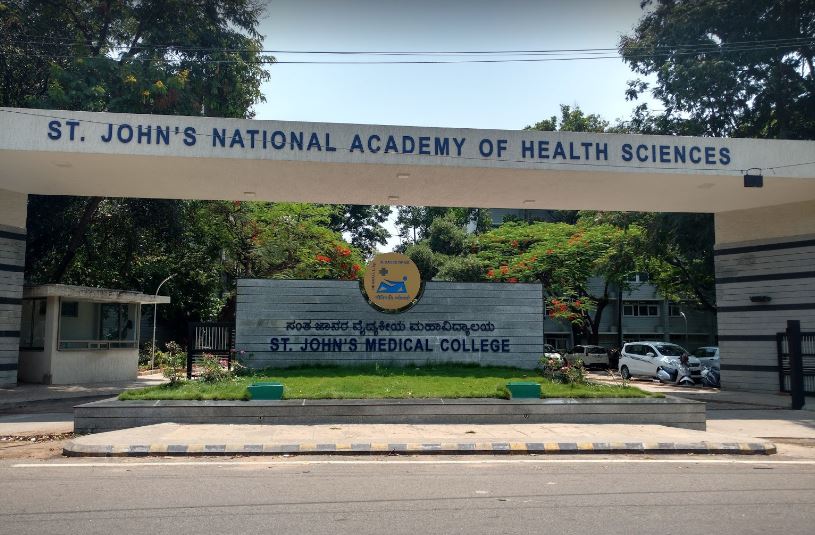
| St. John’s Medical College | Bangalore | 100 | RGUHS (Minority Institution) | KEA (State Counselling) | St. John’s Hospital (850+ beds) |
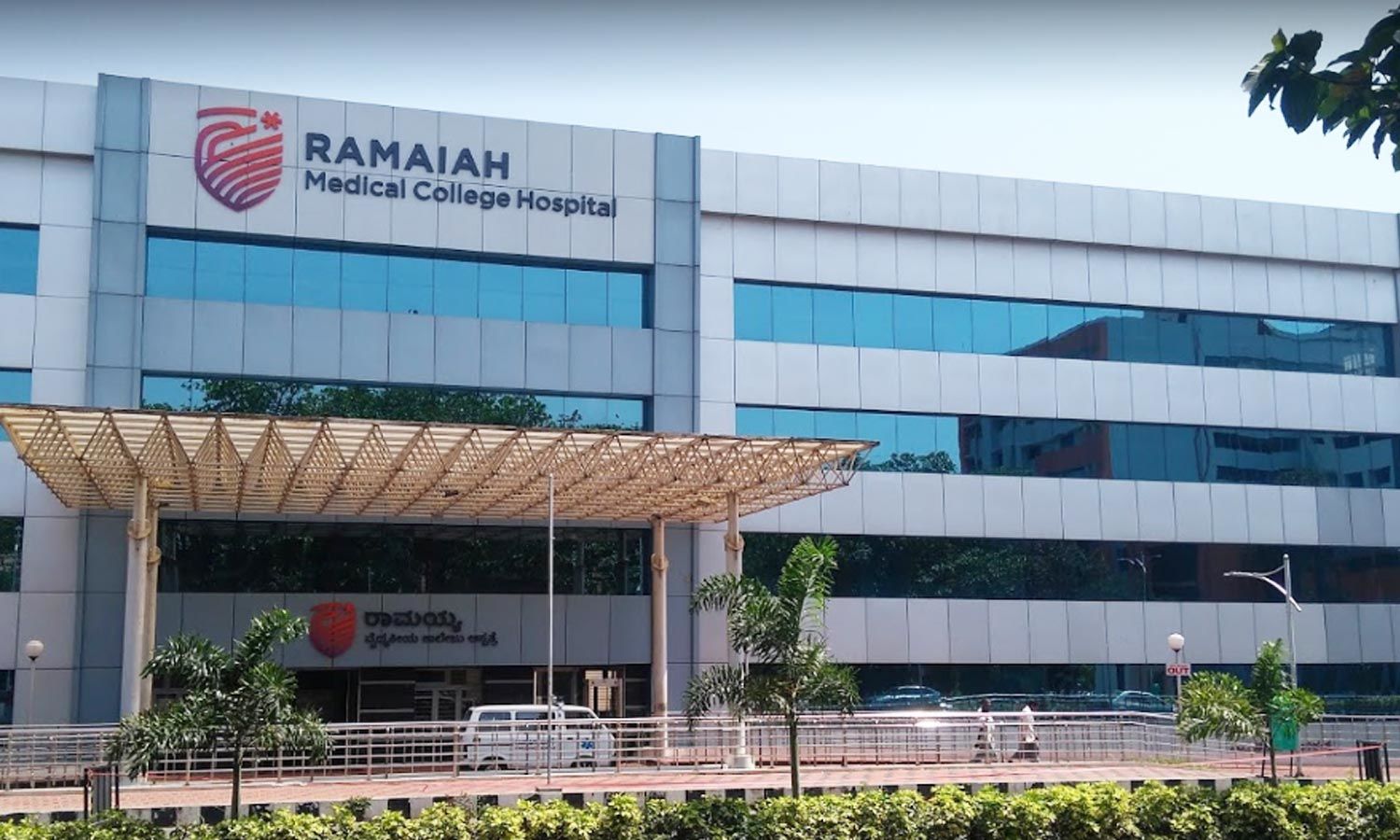
| MS Ramaiah Medical College | Bangalore | 150 | RGUHS | KEA (State Counselling) | MS Ramaiah Memorial Hospital |
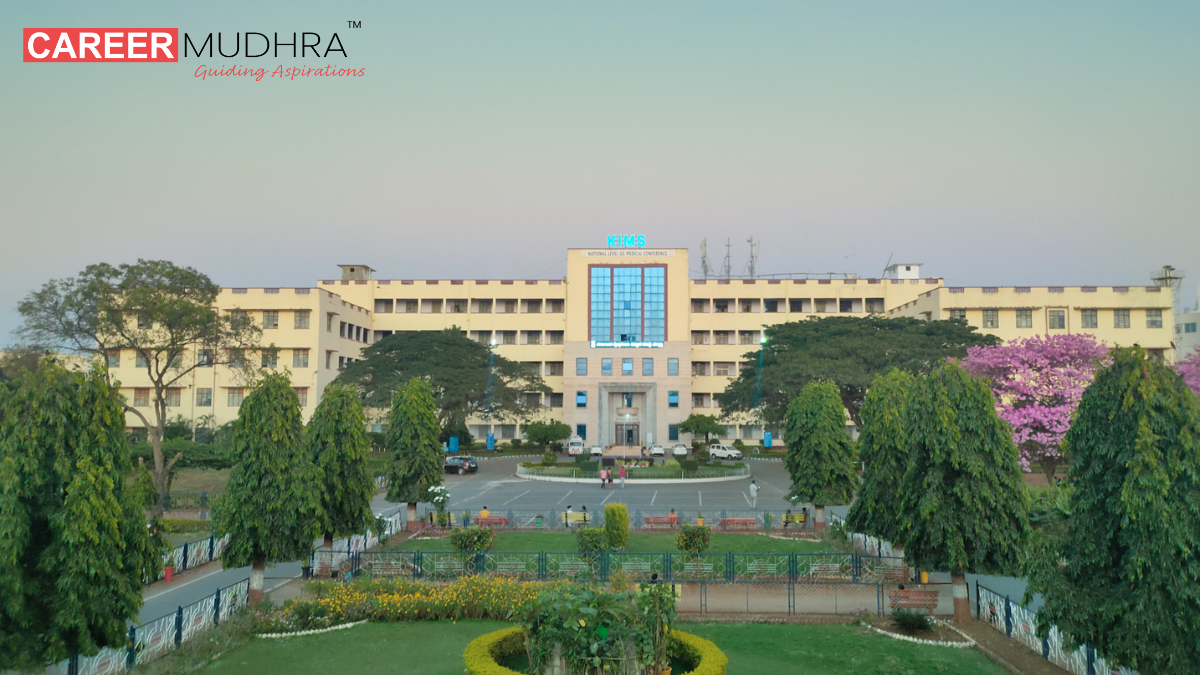
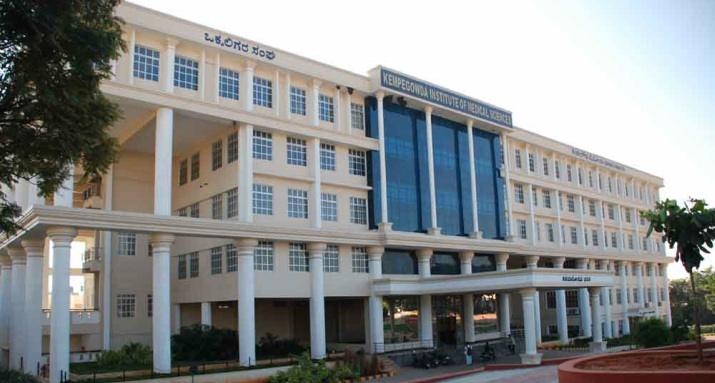
| Kempegowda Inst. of Medical Sciences (KIMS) | Bangalore | 150 | RGUHS | KEA (State Counselling) | KIMS Hospital (750+ beds) |
| BGS Gleneagles Global Hospital & Med. College | Bangalore | 150 | RGUHS | KEA (State Counselling) | BGS Global Hospital |
| Kasturba Medical College (KMC), Manipal | Udupi (Manipal) | 250 | MAHE (Deemed University) | MCC (Deemed Counselling) | Kasturba Hospital Manipal |
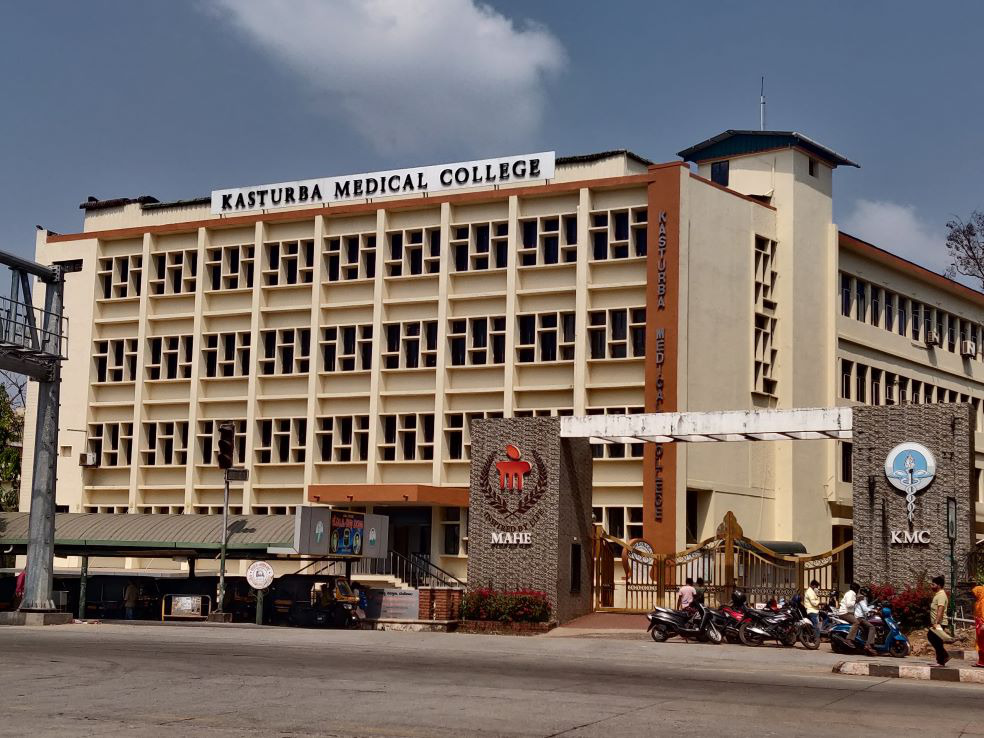
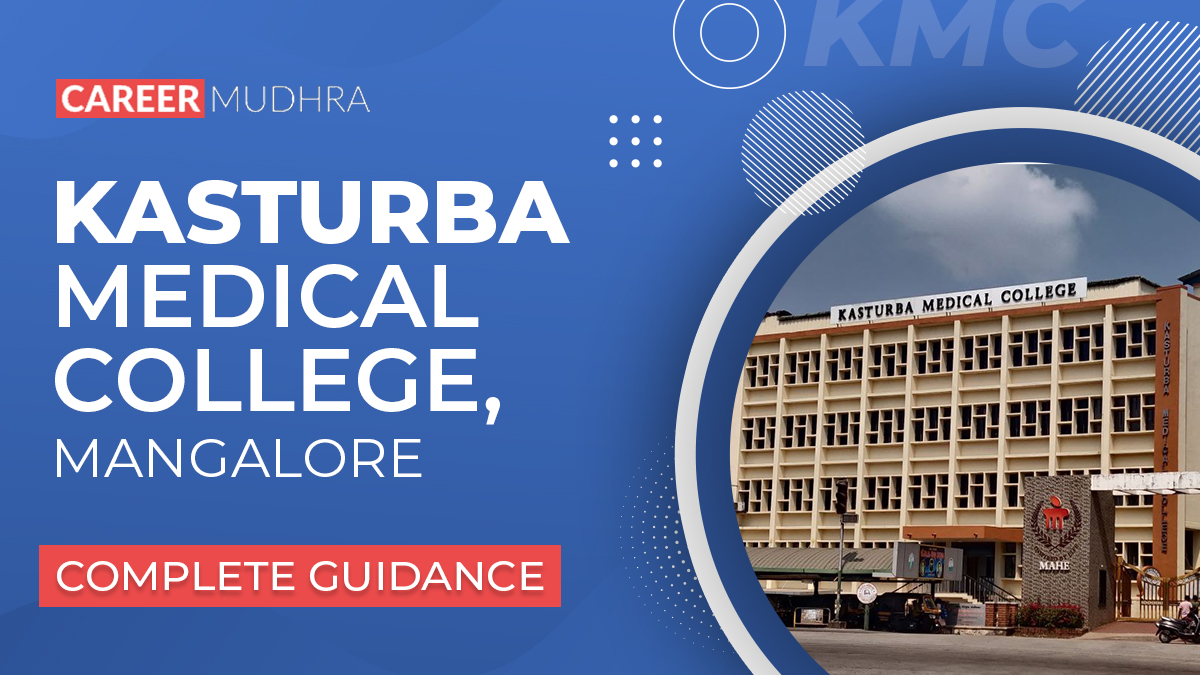
| Kasturba Medical College (KMC), Mangalore | Mangalore | 250 | MAHE (Deemed University) | MCC (Deemed Counselling) | Kasturba Hospital Mangalore |
| JSS Medical College | Mysore | 150 | JSS AHER (Deemed University) | MCC (Deemed Counselling) | JSS Hospital (750+ beds) |
| K.S. Hegde Medical Academy (KSHEMA) | Mangalore | 150 | Nitte (Deemed University) | MCC (Deemed Counselling) | Justice K.S. Hegde Charitable Hospital |
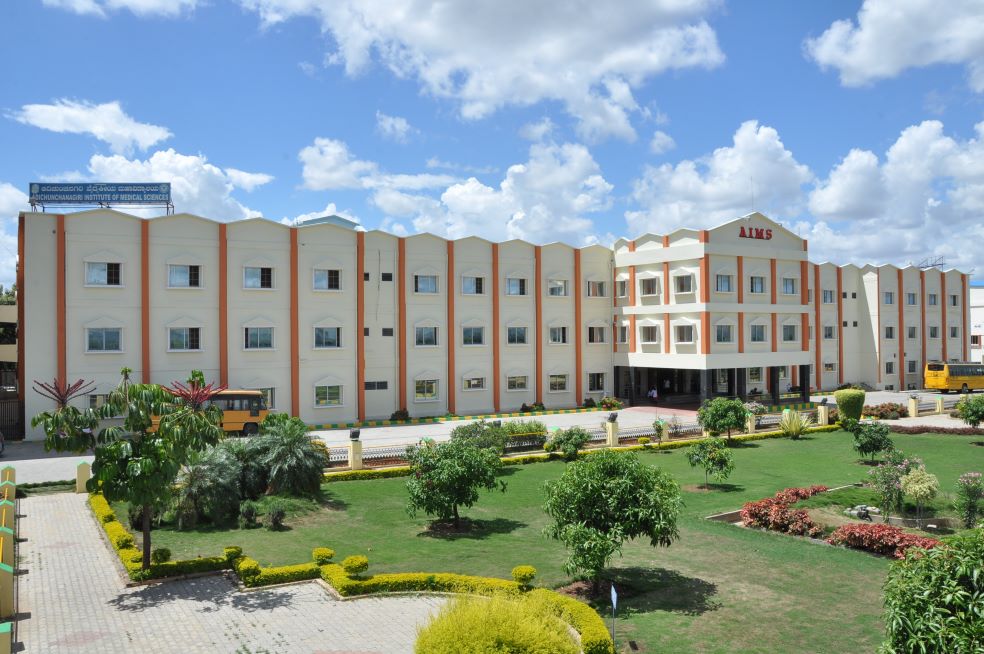
| Adichunchanagiri Inst. of Medical Sciences | Mandya District | 150 | RGUHS | KEA (State Counselling) | Adichunchanagiri Hospital |
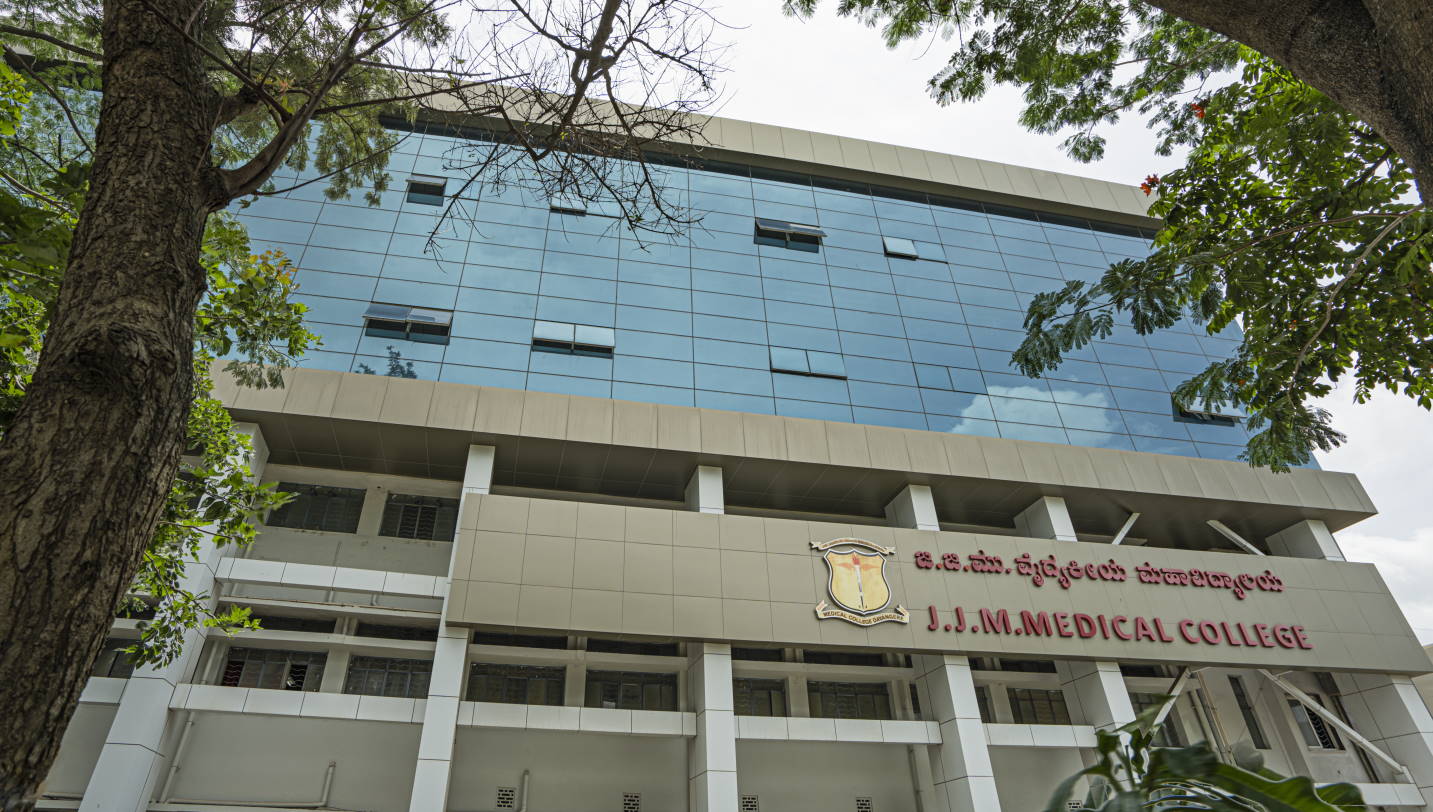
| JJM Medical College | Davanagere | 150 | RGUHS | KEA (State Counselling) | JJM Hospital (850+ beds) |
| Sri Siddhartha Medical College | Tumkur | 150 | Sri Siddhartha Academy (Deemed) | MCC (Deemed Counselling) | Sri Siddhartha Hospital |
| Vydehi Institute of Medical Sciences | Bangalore | 150 | RGUHS | KEA (State Counselling) | Vydehi Hospital (1000+ beds) |
St. John’s Medical College in Bangalore stands out as one of the most prestigious private colleges in India, accessible through KEA. It is a Christian minority institution, but admission through the KEA merit quota is purely NEET-score based. MS Ramaiah Medical College, also in Bangalore, is consistently among the top-ranked private colleges in the NIRF rankings and has produced a high percentage of NEET-PG top rankers annually, making it attractive to students planning for post-graduation. The KMC colleges in Manipal and Mangalore, operating under the Manipal Academy of Higher Education (MAHE), a deemed university, are globally recognized and particularly popular with students seeking international exposure. JSS Mysore and KSHEMA Mangalore, both part of deemed university systems, offer strong clinical training in the region’s major public hospitals. Mid-tier colleges like Adichunchanagiri (Mandya) and JJM (Davanagere) offer the additional advantage of lower cutoffs and more affordable living costs outside Bangalore. Students from other states who are studying in Karnataka benefit from its diverse student population, with peers from Bihar, UP, Rajasthan, Delhi, West Bengal, and Telangana studying alongside them, creating an environment representative of India’s national medical landscape.
Fee Structure
The MBBS fee structure in Karnataka is regulated by two bodies: the Fee Regulatory Committee (FRC), Karnataka, for state-affiliated private colleges under KEA, and the respective deemed universities themselves for MCC-governed seats. The National Medical Commission (NMC) has laid down broad guidelines on fee transparency, and KEA publishes the final approved fee for each quota before the counselling season. The fees are fixed on an annual basis and extend to the following academic year unless revised by a new government order.
MBBS Fee Structure in Karnataka
| Quota Type | Who Can Apply | Approx. Fee / Year (2025–26) | Total 5.5-Year Cost (Approx.) | Regulated By |
| Govt. Quota — Govt. Medical College | Karnataka domicile only | ₹64,350 (general); ₹500–₹2,000 (SC/ST) | ~₹3.5–4 Lakhs total | State Govt. / KEA |
| Govt. (G) Quota — Private College | Karnataka domicile only | ~₹1,41,196 per year | ~₹7.5–8 Lakhs total | FRC Karnataka / KEA |
| Private (P) Quota — Private College [FOR OTHER STATE STUDENTS] | ALL India students | ~₹9,94,406–₹12,00,000 per year | ~₹55–66 Lakhs total | FRC Karnataka / KEA |
| Others (Q) / Management Quota | All India students | ~₹23,00,000–₹45,41,500 per year | ~₹1.25–2.5 Crores total | Individual College / KEA |
| NRI Quota — Private Colleges | NRI-sponsored candidates | ~₹25,00,000–₹45,00,000 per year | ~₹1.4–2.5 Crores total | Individual College / KEA |
| Deemed University — Regular Seats (MCC) | All India via MCC | ~₹17,56,000–₹23,00,000 per year | ~₹96 Lakhs–₹1.25 Crores | Deemed University / MCC |
| Deemed University — NRI/Mgmt. Quota | NRI-sponsored or management | ₹25,00,000–₹75,00,000+ per year | ₹1.4–4 Crores+ | Deemed University / MCC |
The Private (P) Quota annual fee is approximately ₹9.94 Lakhs to ₹12 Lakhs per year, as per KEA’s 2025–26 approved rates, which is the regulated fee that applies specifically to open-category seats in private colleges. This means the entire 5.5-year MBBS course costs approximately ₹55–66 Lakhs in tuition fees. By comparison, management or NRI quota seats in the same colleges are accessible with lower NEET scores, at a cost between ₹23 Lakhs and ₹45.41 Lakhs per year, bringing the total course cost to ₹1.25–₹2.5 Crores. The fee structure for P Quota seats, the lowest among private medical colleges in India, is the primary reason Karnataka attracts so many students from other states every year. Deemed university seats under MCC, while carrying higher fees (₹17.56–₹23 Lakhs/year), provide access to nationally ranked institutions like KMC Manipal and JSS Mysore, where the brand value and clinical infrastructure justify the premium. Government quota seats (₹64,350/year) in government colleges remain inaccessible to students from other states, but serve as a benchmark for how heavily subsidised Karnataka’s public medical education is for its residents.
Additional Costs
| Expense Head | Estimated Annual Cost | Notes |
| Hostel Fees | ₹60,000–₹1,20,000 per year | Varies by college and room type (single/shared) |
| Mess / Food Charges | ₹36,000–₹48,000 per year | ~₹3,000–₹4,000 per month approx. |
| Exam & University Fees | ₹10,000–₹30,000 per year | RGUHS affiliation, exam, and registration fees |
| Library & Lab Fees | ₹5,000–₹20,000 per year | One-time or annual; varies by college |
| Caution Deposit (One-time, Refundable) | ₹50,000–₹2,00,000 (one-time) | Refunded after course completion |
| Books & Study Material | ₹20,000–₹40,000 (1st year) | Reductions in subsequent years |
| Total Add-on Costs (Approx.) | ₹1,31,000–₹4,58,000 per year | Always verify with the individual college before joining |
The tuition fee is the single largest expense, but it does not cover hostel, food, exam fees, books, or one-time deposits. Hostel fees for private medical colleges in Karnataka typically range from ₹60,000 to ₹1,20,000 per year, depending on the college, the city (Bangalore being more expensive), and the room type (single vs. shared). Mess charges add approximately ₹36,000–₹48,000 per year. Adding all of these costs, a student pursuing MBBS in a private college under P Quota in Bangalore should budget approximately ₹11–14 Lakhs per year in total (tuition + accommodation + food + miscellaneous), while a student in a smaller city like Mysore, Davanagere, or Mandya can manage with ₹10–12 Lakhs per year. Students should always verify the latest fee figures directly with the college’s admission office and the official KEA fee matrix published before each counselling season.
NEET 2026 Cutoff Predictions
NEET cutoffs in Karnataka vary every year based on three main factors: the difficulty of the NEET paper, the total number of candidates who registered for Karnataka counselling, and the seat availability in each round. The cutoffs published here are based on the pattern observed in 2024 and 2025, with projected trends for 2026. Students should treat these as planning benchmarks, not guarantees.
Expected NEET 2026 Cutoffs — Other State Students (Open / P Quota), Karnataka
| College / Tier | Quota | Expected NEET Score (2026) | Expected AIR Range | Counselling Route |
| St. John’s Medical College, Bangalore | Open / P Quota | 580–620+ | ~5,000–15,000 | KEA |
| MS Ramaiah Medical College, Bangalore | Open / P Quota | 555–600+ | ~10,000–30,000 | KEA |
| KIMS Bangalore | Open / P Quota | 530–580 | ~20,000–55,000 | KEA |
| KMC Manipal (Deemed) | Open Seats | 545–590 | ~15,000–45,000 | MCC |
| KMC Mangalore (Deemed) | Open Seats | 520–565 | ~25,000–70,000 | MCC |
| JSS Medical College, Mysore (Deemed) | Open Seats | 510–560 | ~30,000–80,000 | MCC |
| KSHEMA / Nitte, Mangalore (Deemed) | Open Seats | 490–540 | ~50,000–1,10,000 | MCC |
| Mid-Tier Private Colleges (Bangalore) | Open / P Quota | 480–530 | ~60,000–1,50,000 | KEA |
| Private Colleges (Tier 2 Cities) | Open / P Quota | 430–490 | ~1,00,000–3,00,000 | KEA |
| Management / NRI Quota (Any College) | Q / NRI Quota | 300–420 (flexible) | Relaxed — rank less critical | KEA / Direct |
| Mop-Up Round (all colleges) | P Quota (remaining seats) | ~30–50 marks lower than Round 1 | Higher ranks may get seats | KEA |
The top-tier St. John’s (Bangalore), MS Ramaiah (Bangalore), and KMC Manipal consistently demand scores of 555 or above in the P Quota because these are among the most sought-after private colleges in the country, not just Karnataka. The mid-tier private colleges in Bangalore (KIMS, BGS, Vydehi) typically fill between 480 and 550, offering good hospital exposure at a more accessible score. Private colleges in smaller cities, Mandya, Davanagere, Tumkur, and Hubli generally fill at 430–490 in the P Quota, making them viable options for students in the 450–480 range. Management and NRI quota seats in all colleges have significantly relaxed cutoffs, often filling at ranks above 1 Lakh, because the fee is the barrier rather than the score. The Mop-Up Round consistently shows 30–80 marks lower cutoffs than Round 1 across all colleges because several students who were allotted seats either report to higher-preference colleges in Round 2 or surrender their Karnataka seat for a seat in another state. Students who score between 430 and 500 should never skip the Mop-Up Round. This is often their best and sometimes only chance for a P Quota seat in a recognised private college.
Alternative Gateways — Deemed Universities and the Mop-Up Round Strategy
KEA Route vs. MCC Route — Side-by-Side Comparison for Other State Students
| Feature | KEA Route (Private Colleges) | MCC Route (Deemed Universities) |
| Governing Body | Karnataka Examinations Authority (KEA) | Medical Counselling Committee (MCC), Govt. of India |
| Colleges Covered | 33 private medical colleges (RGUHS-affiliated) | 12 deemed universities (KMC, JSS, Nitte, etc.) |
| Portal | cetonline.karnataka.gov.in/kea | mcc.nic.in |
| Fee Level for Other State Students | ~₹10–12 Lakhs/year (P Quota) | ~₹17–26 Lakhs/year |
| Competition Pool | All India + Karnataka students | All India students only |
| Number of Rounds | 4 rounds (Round 1, 2, Mop-Up, Stray Vacancy) | 2–3 rounds (Round 1, 2, Stray Vacancy) |
| Registration Timing | July 2026 (after NEET result) | July 2026 (simultaneously) |
| Can you apply to both? | YES — Apply to BOTH simultaneously for maximum options | YES — Apply to BOTH simultaneously for maximum options |
| Cutoff Predictability | Moderate — depends on Karnataka + All India applicants | More predictable — purely All-India pool |
| Advantage for Other State Students | More total seats, lower regulated fee | Top-tier deemed colleges; global recognition |
The KEA vs. MCC comparison table reveals a strategic insight that many students overlook: both routes should be pursued simultaneously. The registration for KEA (private colleges) and MCC (deemed universities) opens around the same time — both in July, immediately after NEET results. There is no restriction on applying to both. A student who registers only on KEA loses access to deemed university seats, and a student who registers only on MCC loses access to the more affordable P Quota seats in private colleges. The smartest approach is to register on both portals on Day 1 of each registration window, pay both sets of fees, and fill choices on both. If allotted on both, the student can evaluate and choose the better option before the reporting deadline. The key difference between the two routes is not just fee — it is competition pool composition. MCC counselling draws from all India students only, with no state-specific quotas, making the rank-to-seat mapping more predictable. KEA counselling includes both Karnataka domicile and other state students competing for P Quota seats, making the cutoffs sometimes higher due to local demand for top Bangalore colleges.
Round-by-Round Mop-Up Strategy — When to Do What
| Round | Who Should Participate | Expected Cutoff vs Round 1 | Key Action |
| Round 1 | All registered candidates | Highest cutoffs of the year | List maximum colleges; accept & upgrade if needed |
| Round 2 | Students upgrading + new registrants (if allowed by KEA) | Slightly lower than Round 1 | Rearrange choices; target better colleges that had vacancies in Round 1 |
| Mop-Up Round | All who did not get a seat OR want to upgrade | ~30–80 marks lower than Round 1 cutoff | Fresh registration available for new candidates; excellent opportunity for borderline scorers |
| Stray Vacancy Round | Any eligible candidate; very limited seats | Varies — often very low cutoffs | Act very quickly; seats fill within hours |
The mop-up round strategy table outlines one of the most under-utilised opportunities in Karnataka MBBS admission. The Mop-Up Round exists because a significant number of seats go unfilled after Rounds 1 and 2. This happens for multiple reasons: students allotted seats in Karnataka accept seats in other states; students upgrade from lower-tier colleges to higher ones within Karnataka; and NRI/Q quota seats with high fees remain vacant. In 2025, KEA opened fresh registration for new candidates specifically for the Mop-Up Round — from September 25 to 29 — giving students who had not registered during the July window a second chance. KEA’s official notice in 2025 confirmed this: ‘Eligible candidates who qualified NEET UG 2025 but did not register earlier can apply online from 25 Sept (11 AM) to 29 Sept 2025 (11 AM).’ Students scoring between 420 and 480 who did not secure a seat in Rounds 1 and 2 should treat the Mop-Up Round as a primary strategy rather than a consolation. The Stray Vacancy Round that follows is the last resort and typically involves very limited seats that fill within hours of the result announcement.
Counselling Guidance by Careermudhra
We have been in the educational and admission consultancy business for 13 years due to the features we provide to our clients and the support we provide. We have tried our best to provide the best features to all our clients.
Best Features of Our MBBS Admission Consultancy Program
- NEET Counseling Support: We will support you completely during the online counseling procedures and help you get MBBS admission to the top medical college in India. We will help you during all procedures like online registration, document verification, choice filling, etc.
- College Selection: We are updated about most of the private medical colleges in Karnataka. We will help you choose a good medical college in Karnataka for MBBS admission within your budget.
- Loan Paper: We can help you get the loan paper and supporting documents from the college and university. It will help you clear the educational loan easily.
- Easy and Secure Payments: You don’t have to pay anything to us till the complete procedure is over. All the tuition fee payments are made through the government via counseling procedures. Payments should be made on demand draft and cash only.
- Medical Experts: We have a team of medical experts, who can guide you exactly through the counseling procedures and selection of the best medical college.
- Slot Booking Facility: Our medical counselors work on a slot basis. We don’t take more than 1700 medical aspirants per year. The reason is that we have to guide each one of them through counseling and other procedures. To provide quality service, we work in a professional way. If you want to book your slot, you can contact our career experts by clicking the below button.
If you are in urgent need of MBBS Admission guidance contact us by clicking on the banner given below-
or you can just fill out the form given below and our experts will contact you-
Fill out the form and click on “APPLY NOW” and we’ll reach out to you
GET PERSONALISED CAREER COUNSELLING WITH CAREERMUDHRA
Wrapping UP
Karnataka offers a welcoming environment for MBBS admissions to students from other states. To pursue MBBS in Karnataka, non-residents must qualify for NEET-UG 2026, meet the minimum cutoff, and attend the appropriate counseling process.
For private medical colleges, the Karnataka Examinations Authority (KEA) conducts the counseling, while the Medical Counselling Committee (MCC) handles admissions to deemed medical colleges.
Non-Karnataka students can also apply for seats in government medical colleges through the All India Quota (AIQ) process managed by MCC. The counseling process involves online registration, document verification, option entry, and seat allotment.
Students must understand the specific requirements and procedures for each category of admission to ensure a smooth and successful admission process.
I hope I have covered all the required information regarding the Karnataka MBBS admission for other state students in detail in this article.. If you found this article informative, please do share it with your friends, family, and people in need. If you have got any queries feel free to comment below or contact us via phone.
FAQs
Q1. Can other state students apply for MBBS in Karnataka?
A: Yes, candidates from other states can apply for MBBS in Karnataka if they wish to pursue it, but they will have to register for counseling through the official website of KEA.
Q2. How to register for the MBBS batch in Karnataka?
A: The following are the steps to register for the MBBS batch in Karnataka to be followed by the candidates:
-Apply for NEET-UG 2026 exam
-Appear for NEET-UG 2026
-Qualify NEET with the required score
-Register for in KEA for counseling
-Submit the required documents
-Participate in the seat allotment process
-Pay fees and report to the allotted collegeQ3. Can other state candidates apply for KEA?
A: Yes, candidates from other states can apply for KEA if they have qualified for the NEET.
Q4. Who is eligible for state quota in Karnataka?
A: Karnataka domicile candidates are only eligible for state quota in Karnataka but they should have secured the required NEET cutoff scores.
Q5. Is state quota applicable in NEET 2026?
A: Yes, there is a state quota for NEET 2026. In government colleges, 15% of the seats are reserved for the All India Quota (AIQ), while 85% of the seats are allocated through the state quota. Additionally, the respective state authorities handle admissions to private colleges after NEET UG 2026.
Q6. Can other state students apply for Karnataka CET?
A: No, candidates from other states cannot apply for Karnataka CET as the eligibility criteria clearly state that only Karnataka domicile students can apply.
Q7. What is the eligibility for MBBS in Karnataka?
A: Candidates must have passed 10+2 with at least 50% marks from any recognized board, with subjects including English, Chemistry, Biology, and Physics. For the Karnataka SC/ST/OBC categories, the minimum qualifying marks are 40% instead of 50%.
Catch us on Instagram, Facebook, and YouTube,